

Deep Dive: Growing Wholesale
Read on for all our articles on Growing Wholesale.
Looking for other deep dives? Check out: our Wholesale Training & Inspiration center, all our Maker & Store Interviews, everything we have on Faire & Marketplaces, and our articles on Line Sheets.
There are two ways to move forward when you're stuck: you can listen, or you can decide. Author Oliver Burkeman put it well — and it's changed how I think about the messy, uncertain parts of building something. Here's why picking a stance and committing to it is enough to keep you moving, even when you can't see the whole road ahead.

There's a Norwegian jiu-jitsu champion who changed how I think about wholesale (stay with me). His quote, “a copy is never as good as the original,” applies just as much to your line sheet, your marketing, and the size of your business as it does to a fight.

Some part of us wishes that things would have a hard part that eventually gets easy when we reach our goal. But if our strength rises to meet the challenge, then easier over time would just mean weaker over time.
A newer maker wanted to play it safe by making pieces "more like everyone else." Here's why that instinct is usually wrong and the 4 things I know to be true about building a line that's both successful and truly yours,

Everyone's talking about AI and automation these days, and sure, some of it's worth trying. But these three low-key tools are still some of the fastest ways to save time on email without losing the personal touch. No prompts, no subscriptions to manage, just simple shortcuts that work.
If your Faire sales feel flat, the problem probably isn't your products — it's your listings. Here's what the algorithm actually needs to surface you to the right buyers.

Your cheat sheet for holiday sales and holiday sanity. It’s for any maker who is trying to get their handmade line into more stores, but without driving themselves insane. We share our biggest learnings, based on watching hundreds of makers grow wholesale over the holiday
A single wholesale order might only be worth $150 — but the store behind it could be worth $3,000 over time. Here's how to turn first-time stockists into long-term accounts that reorder quarter after quarter.

Most of us carry around a vague idea of "the worst that could happen" in business. And because we never look at it directly, it has power over us. Here's what changes when you stop hoping it won't happen — and start accepting that it probably will.

I sat down with Faire's Customer Marketing Lead to get the real scoop on Market prep, visibility, and conversion — here's what surprised me and what just confirmed what we already suspected.
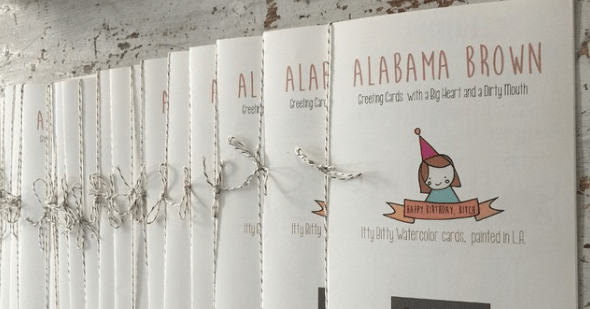
Not sure when to send samples to wholesale buyers? Learn the simple "4 of 20" rule and how to be generous without breaking the bank — practical advice for independent makers pitching retail stores.
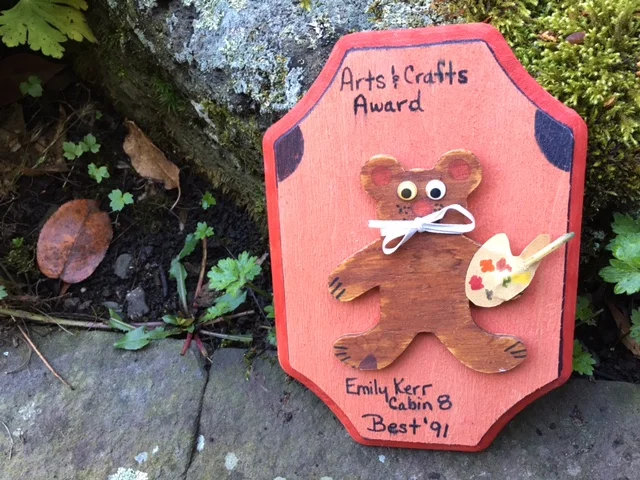
When I was about eight, I went to camp for the first time.
As a fairly introverted person who loved hanging out with my family, summer camp ended up being hard. Thirty-two-year-old me would know exactly why it would be hard for me and in what ways; eight-year-old me was bewildered, as the camp seemed literally designed to have a good time around every corner and yet I felt kind of dazed from home sicknesses and nervousness about how to be around the other kids.
Seth Godin has a concept about a million dollars sitting in a safety deposit box you don't know exists. Your business assets work the same way — the email list you've never used, the loyal customers you haven't contacted, the local shops that would say yes tomorrow. The first step isn't action. It's inventory.
Faire Markets happen twice a year and bring serious retailer traffic — but are they worth it for your brand? Here's what to know before the next one, including the risks most brands overlook.

Most makers take "no's" from stores both too seriously and not seriously enough. Here's the shift that changes everything about your outreach.
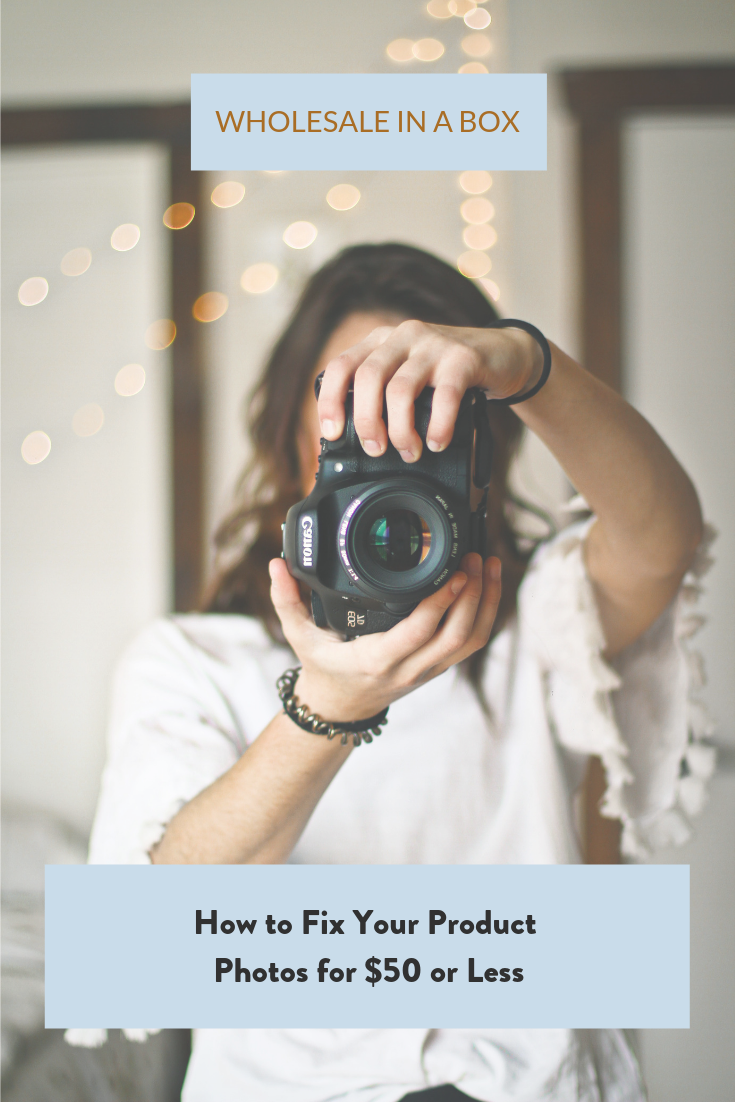
Many times, a maker comes to us with a beautiful product and an incredible production process but their photos are just not great. They’re a little dark, slightly blurry, the setup isn’t ideal, and the spirit of the product itself isn’t coming through. Or sometimes the mechanics of the photos are good, but there’s no beauty to them, nothing really compelling -- the pieces feel dead and uninteresting.

Have you ever had to call a store owner by phone and felt a little stumped about what to say? This post is for you!
For the most part, when you're reaching out to stores that you don't have a previous connection to, we recommend using email. The main reason is that most store owners really want to be with their customers when they’re in the shop -- so they prefer not to have an in-person or telephone interruption. Plus, email has the added benefit of allowing you the time to craft your story, think through your email template, and attach a few beautiful photos of your work to make a good first impression.
The question goes like this:
“I’m curious about pitching when you’re in the midst of putting together a new line sheet for the next season. I plan on having a new line sheet with lots of new cards around mid August (that’s the theory anyway) and I wasn’t sure if I should wait to pitch to new retailers until it’s ready? Or should I pitch them my current line sheet and just not worry about that?

We’ve worked with entrepreneurs around the world and with makers at every stage of their businesses. We’ve advised people with multi-million dollar businesses and those who are down to their last pennies. So we’ve seen a lot of folks make a lot of crucial decisions. And we certainly face a lot of them, as business owners.

An in-depth, experience-based review of Overjoy AI for wholesale makers covering its CRM, automations, Shopify and Faire integrations, lead generation potential, pricing, pros, cons, and practical alternatives.

A sharp, maker-first reminder that wholesale success starts on the shelf. How to ask and answer the one question every growing product business should be obsessed with: how your product sells itself, and why a customer will choose it.

Curiosity isn’t a luxury, it’s the practice that helps wholesale businesses move from survival toward something more resilient and human. That’s why we’re making 2026 the year of curious wholesale.

Some of the most important wholesale truths are things I don’t say out loud that often. But if I could sit down with you and tell you the real stuff that makes wholesale actually work — these are the five things I’d say.

Believe me when I tell you that this article is written by someone who does not have a natural affinity for AI. But here’s the thing: AI really is one of the most powerful tools humanity has ever created. As small business owners who want to make a living, express creativity, and build the world we want to live in, I don’t think avoiding AI serves us.

Most of us know the difference between revenue and profit: Revenue is the money that comes in; Profit is what is left after the bills are paid. The math is simple. What’s complicated is how we relate to it.

If you create products that you care about — whether you make them yourself or design them thoughtfully — selling wholesale can be one of the most grounding and consistent ways to grow your business. But wholesale can also feel uncertain. Wholesale In a Box exists to answer your questions in a way that is practical, kind, repeatable, and deeply effective.

If you’re a maker or small brand, it’s easy to forget how meaningful your work really is. It’s easy to feel like you’re hustling to sell tea towels while the world burns behind you. 😂 I do understand that. But after a recent day out with my mom and sister, I was reminded how small stores, handmade goods, and the simple act of buying something in person can bring us back to each other. And about the quiet, beautiful work of connection that you’re part of every day.


The biggest determinant in wholesale success – both in the early days and as you get more established – is having a great product… and finding unique, personal ways of connecting with store owners about that product. And both elements of that – product and connection – require creativity and your best approach will not look the same as someone else’s best approach.
Looking for other deep dives? Check out: our Wholesale Training & Inspiration center, all our Maker & Store Interviews, everything we have on Faire & Marketplaces, and our articles on Line Sheets.
Wholesale isn't complicated, but it does take consistency and the right groundwork. Here are the 7 things I'd tell anyone just getting started — from pricing to photos to your very first pitch.